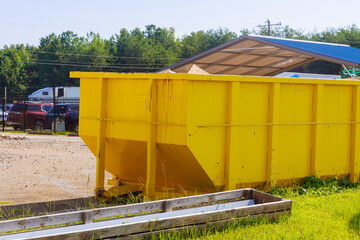
Choosing the right dumpster size is one of the most important decisions when renting a dumpster for a project. Selecting a container that is too small can lead to overflow, extra pickups, and added costs, while choosing one that is too large may result in paying for unused space. Dumpster rental sizes are designed to match different project types, waste volumes, and material weights. Understanding Dumpster Rental sizes and how they are used helps homeowners, contractors, and business owners make informed decisions that save time, money, and effort.
Why Dumpster Size Matters
Dumpster size directly affects how efficiently waste is managed during a project. The right size ensures that debris can be disposed of as work progresses without interruptions. When a dumpster fills up too quickly, work may slow down while waiting for a replacement or additional haul. On the other hand, renting a dumpster that is larger than necessary can increase costs without providing real benefits.
Dumpster size also influences safety and compliance. Overfilled dumpsters may not be collected due to safety regulations, and exceeding weight limits can result in additional fees. Choosing the correct size helps maintain a clean site, supports proper disposal, and keeps the project running smoothly.
How Dumpster Sizes Are Measured
Dumpster rental sizes are typically measured in cubic yards. A cubic yard represents a volume equal to a space that is one yard wide, one yard long, and one yard high. This measurement refers to how much material the dumpster can hold, not its weight capacity.
For example, a ten yard dumpster can hold approximately ten cubic yards of debris. While volume is the main measurement, weight limits are also important. Different materials have different densities, meaning heavy debris such as concrete or roofing shingles can reach weight limits before the dumpster is physically full.
Understanding both volume and weight considerations is essential when selecting a dumpster size.
Ten Yard Dumpsters Explained
A ten yard dumpster is one of the smallest roll off dumpster sizes available. It is well suited for small projects that generate a limited amount of waste. These dumpsters are often used for minor home cleanouts, small bathroom renovations, or single room remodels.
Ten yard dumpsters are also commonly used for yard cleanup projects, such as removing small trees, branches, or landscaping debris. Their compact size makes them easier to place in residential driveways or areas with limited space.
While convenient for small projects, ten yard dumpsters can fill up quickly if bulky items or heavy materials are involved. They are best for projects where waste volume is predictable and controlled.
Fifteen Yard Dumpsters Explained
Fifteen yard dumpsters offer slightly more capacity than ten yard containers and are a good option for medium sized projects. They are commonly used for larger room remodels, flooring removal, or small kitchen renovations.
This size is often chosen by homeowners who want a bit of extra space without jumping to a much larger dumpster. It provides flexibility for projects that may produce more waste than initially expected.
Fifteen yard dumpsters are also useful for estate cleanouts of smaller homes or apartments. They balance capacity and footprint, making them practical for residential use.
Twenty Yard Dumpsters Explained
The twenty yard dumpster is one of the most popular and versatile sizes available. It is suitable for a wide range of residential and commercial projects. Many homeowners choose this size for full kitchen remodels, multiple room renovations, or large cleanouts.
A twenty yard dumpster can handle furniture, appliances, drywall, flooring, and general household junk with ease. It is also commonly used for roofing projects, such as replacing shingles on an average sized home.
This size offers a good balance between capacity and cost, making it a common choice when project waste volume is uncertain.
Thirty Yard Dumpsters Explained
Thirty yard dumpsters are designed for large projects that generate substantial amounts of debris. These dumpsters are often used for major home renovations, large estate cleanouts, or commercial remodeling projects.
They provide ample space for bulky items, construction debris, and large quantities of waste. Contractors frequently use thirty yard dumpsters for new construction or demolition work where waste accumulates quickly.
Because of their size, thirty yard dumpsters require more space for placement and delivery. They are best suited for projects with sufficient access and high waste output.
Forty Yard Dumpsters Explained
Forty yard dumpsters are the largest standard roll off dumpsters available for rent. They are intended for very large scale projects, such as commercial demolition, industrial cleanouts, or major construction work.
These dumpsters can hold significant volumes of debris, including large furniture, building materials, and packaging waste. They are commonly used by contractors, developers, and businesses managing extensive projects.
Due to their size and weight capacity, forty yard dumpsters require careful planning for placement and loading. They are not typically recommended for residential driveways unless space and access allow.
Matching Dumpster Size to Project Type
Choosing the right dumpster size depends largely on the type of project being undertaken. Small cleanouts, such as clearing a garage or single room, usually require ten or fifteen yard dumpsters. Medium projects, including kitchen remodels or multi room cleanouts, often fit well with a twenty yard dumpster.
Larger renovations, estate cleanouts, or roofing projects may require a thirty yard dumpster to accommodate increased debris. Commercial construction or demolition projects typically need thirty or forty yard dumpsters to manage continuous waste generation.
Understanding the scope of the project helps narrow down the most appropriate size and prevents costly mistakes.
Considering Material Type and Weight
Material type plays a major role in dumpster size selection. Lightweight materials such as wood, drywall, and household junk take up more space but weigh less. Heavier materials such as concrete, brick, dirt, or roofing shingles can reach weight limits quickly.
For heavy debris, smaller dumpsters with higher weight allowances are often recommended. This prevents exceeding weight limits and incurring additional fees. Some rental companies offer specific dumpsters designed for heavy materials.
Being honest about the type of waste being disposed of helps rental providers recommend the safest and most cost effective option.
How Overfilling and Underfilling Affect Costs
Overfilling a dumpster can lead to several problems. Debris that extends above the container’s sides may prevent pickup due to safety regulations. Overfilled dumpsters can also result in additional fees or require debris to be removed before collection.
Underfilling, while less problematic, can still be inefficient. Paying for a large dumpster that is only partially filled may increase costs unnecessarily. Choosing a size that closely matches the expected waste volume is the most cost effective approach.
Proper planning and communication with the rental provider help avoid these issues.
Residential Dumpster Size Considerations
Residential projects often require careful consideration of space and access. Driveway size, neighborhood regulations, and homeowner association rules may limit dumpster placement or size.
Smaller dumpsters are generally easier to place in residential areas and may require fewer permits. However, choosing too small a dumpster can lead to delays if additional pickups are needed.
Balancing size, placement, and project needs ensures a smoother residential dumpster rental experience.
Commercial and Construction Dumpster Size Needs
Commercial and construction projects typically generate consistent and heavy waste. Larger dumpsters reduce the frequency of pickups and help maintain workflow.
Contractors often choose dumpster sizes based on project phases. For example, demolition may require a larger dumpster, while finishing work may produce less waste.
Selecting the right size supports productivity, safety, and cost control on job sites.
When to Size Up for Safety and Convenience
When in doubt, sizing up slightly is often recommended. Having extra space allows for unexpected debris and prevents overflow issues. While larger dumpsters may cost more upfront, they can reduce the need for additional hauls.
Discussing project details with the rental provider helps determine whether sizing up is beneficial. Providers can offer insight based on experience with similar projects.
Common Mistakes When Choosing Dumpster Sizes
One common mistake is underestimating the amount of waste a project will produce. Renovations and cleanouts often uncover more debris than expected. Another mistake is ignoring weight limits, especially when disposing of heavy materials.
Failing to account for bulky items such as furniture can also lead to capacity issues. Proper planning and professional guidance help avoid these pitfalls.
Getting Professional Guidance on Dumpster Sizes
Dumpster rental providers have experience with a wide range of projects and can offer valuable advice on size selection. Providing accurate information about the project type, materials, and timeline allows them to recommend the most appropriate option.
Taking advantage of this expertise helps ensure the dumpster rental supports the project efficiently and cost effectively.
Final Thoughts on Dumpster Rental Sizes Explained
Dumpster rental sizes are designed to meet a wide variety of waste management needs, from small residential cleanouts to large commercial construction projects. Understanding how sizes are measured, how different dumpsters are used, and how material type affects capacity helps ensure the right choice.
By selecting the appropriate dumpster size, projects remain organized, safe, and on schedule. With proper planning and guidance, dumpster rental becomes a simple and effective solution for managing waste of any scale.