Cabinet Refinishing – A Cost-Effective Way to Update Your Kitchen

Cabinet Refinishing Sacramento opens up a wide range of customization options. It includes repairing any imperfections, sanding the cabinets, and then staining or painting.

Cabinet Refinishing

The process is less time consuming and messy than replacement. It’s also an environmentally conscious choice that reduces waste and demand for new materials. It’s an affordable option that can help you revitalize your kitchen with minimal disruption.

Cabinet refinishing is a cost-effective way to update your kitchen. Compared to a complete replacement, this process is much less expensive and can be completed in a shorter amount of time. It also helps you avoid the hidden costs of a total cabinet replacement project, such as additional labor, plumbing and electrical upgrades, and disposal fees.

Refinishing your cabinets allows you to explore different style options without breaking the bank. You can choose between a wide variety of colors and finishes, allowing you to create a unique aesthetic that reflects your personal taste. Whether you prefer a modern gloss or a classic matte, refinishing your cabinets can make them look brand new.

Another benefit of cabinet refinishing is that it’s an eco-friendly solution. By reusing existing materials and minimizing waste, this method of updating your kitchen is more environmentally responsible than replacing your cabinets. It also saves energy and reduces carbon emissions associated with manufacturing new materials.

Unlike refacing, refinishing doesn’t change the door or drawer fronts or add a veneer to your existing cabinets. This means you can stick with your current layout while still getting the updated look you want. This method is perfect for homeowners who are happy with their kitchen’s layout but are looking to revitalize their space.

The refinishing process is more precise than refacing, which can save you money. During the refinishing process, N-Hance craftsmen carefully clean and sand each cabinet surface to prepare it for the new finish. This minimizes dust and mess in your home, resulting in a cleaner job that can be completed in just one day.

By choosing a high-quality finish, your cabinets will look great for years to come. This can improve your kitchen’s aesthetic and increase its resale value. In addition, a professional refinishing service will apply a protective coat that resists scratches and fading to keep your cabinets looking brand-new. By choosing a reputable company, you can rest assured that your cabinets will look stunning for many years to come.

Time-Saving

Cabinet refinishing is a quick way to change your kitchen’s appearance. It’s generally less time-consuming than refacing, which requires the removal of cabinet doors and drawer fronts, followed by installation of new face frames, hinges, and handles. In addition, the refinishing process is less disruptive than whole-kitchen renovations. The entire project takes days to a couple of weeks, depending on the size of your kitchen and the complexity of your chosen finish.

Choosing the right color and finish for your cabinets can have a big impact on your space’s style. Whether you opt for a lighter stain that highlights your wood’s natural grain or a bold hue that adds personality, the possibilities are endless. You can even use this opportunity to update your hardware, which is a relatively minor but impactful improvement to your kitchen’s overall look.

The refinishing process involves preparing the cabinet surfaces by cleaning and sanding down the surface. This removes any grime, scratches, or stains and creates a smooth surface for the new stain or paint. In addition, any imperfections are repaired. This may include filling in dents and sanding down rough areas. The cabinets are then wiped down and sprayed with a protective sealant to enhance durability.

One major benefit of cabinet refinishing is its environmentally friendly nature. The manufacture, transportation, and disposal of new cabinets require a significant amount of material. Refacing your cabinets, on the other hand, keeps your existing cabinet boxes intact and reduces waste. This makes it an eco-conscious alternative to replacement and a great option for those looking to give their home a fresh, modern feel without breaking the bank.

The most important thing to keep in mind when refinishing your cabinets is not to use harsh chemicals or cleaning products. These can strip the finish and cause the wood to become dull or discolored over time. It’s best to stick with mild cleaning products or those specially formulated for wood. If you’re not sure if a product is safe to use, test it on a small area of your cabinet to be sure.

Minimal Disruption

Many Winter Springs homeowners reach a point when their cabinets feel worn or outdated. They may wonder whether it makes sense to refresh what they have or start from scratch. While both options can transform a home, each offers unique benefits that make them better suited for different circumstances.

Refinishing is a cost-effective option to update solid, durable cabinets. The process involves removing the existing finish and applying a new one, providing an updated look without breaking the bank. It also allows you to keep what works well, such as the overall layout and storage capacity of the cabinets. It’s often less expensive than a full replacement and can be completed in a fraction of the time.

Unlike cabinet refacing, which utilizes new doors and drawer fronts to achieve a new look, refinishing only applies the new finish to your existing cabinets. Refinishing can be done in a wide range of colors, providing a variety of style options from modern to rustic. A skilled professional can help you choose a color that will complement your countertops, appliances, and décor. Cabinet refinishing is done with low-VOC paints and finishes that are healthier for the environment and improve indoor air quality.

Refinishing is also an eco-friendly choice, reducing landfill waste and minimizing the demand for new materials. It’s especially beneficial if you have high-quality, sturdy cabinet boxes that are structurally sound but outdated in appearance. In contrast, tearing out your old cabinets and replacing them with new ones generates lots of waste, contributing to a global waste problem.

Easy to Do

Cabinet refinishing gives homeowners the freedom to customize their cabinets without the expensive price tag that comes with a full replacement. Whether you want to change the color, texture, or design of your kitchen cabinets, refinishing offers endless possibilities that will suit your style and your budget.

The process of refinishing your cabinets is relatively easy to do on your own. However, you must be careful to follow the directions carefully to avoid any issues. The most important thing is to properly prepare the surface you are working on. This includes cleaning the area thoroughly with a solution such as Tri-sodium phosphate (TSP) to remove any grease or grime from the surface. This will allow your new coat of paint to bond properly with the existing wood. Also, be sure to lay down plenty of drop cloths or paper to protect countertops, appliances and floors from any drips or splatter.

Once you have removed any debris from the cabinets, sand them down and apply the new finish to the cabinet surfaces. Ensure you are using a high-quality stain such as polyurethane or varnish. Be sure to lightly sand between coats and to wait a few hours in between each coat for the surface to dry fully. Also, be sure to use a high-quality primer, depending on the type of finish you choose. This will help to minimize the number of coats you need to apply and will ensure a smoother finish.

Another great benefit of refinishing your cabinets is the fact that it preserves the original structure and design of your cabinetry. This is particularly beneficial if your current cabinets are of higher quality than many mass-produced options available today. Refinishing is also a more environmentally friendly option, as it reduces the amount of waste that would otherwise be generated by replacing your cabinets with new units.

Although there are a few things you need to keep in mind when doing your own cabinet refinishing, it is an affordable and simple way to modernize your home. Just be sure to take your time, follow the directions carefully, and use a cleaner such as TSP or Tri-sodium phosphate to prep the surface. By taking these precautions, you can enjoy your newly refinished kitchen cabinets in no time at all.
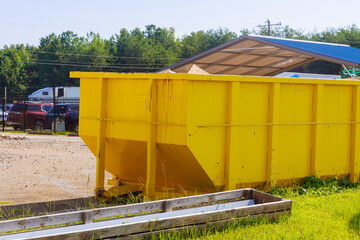
Dumpster Rental Sizes Explained

Dumpster

Choosing the right dumpster size is one of the most important decisions when renting a dumpster for a project. Selecting a container that is too small can lead to overflow, extra pickups, and added costs, while choosing one that is too large may result in paying for unused space. Dumpster rental sizes are designed to match different project types, waste volumes, and material weights. Understanding Dumpster Rental sizes and how they are used helps homeowners, contractors, and business owners make informed decisions that save time, money, and effort.

Why Dumpster Size Matters

Dumpster size directly affects how efficiently waste is managed during a project. The right size ensures that debris can be disposed of as work progresses without interruptions. When a dumpster fills up too quickly, work may slow down while waiting for a replacement or additional haul. On the other hand, renting a dumpster that is larger than necessary can increase costs without providing real benefits.

Dumpster size also influences safety and compliance. Overfilled dumpsters may not be collected due to safety regulations, and exceeding weight limits can result in additional fees. Choosing the correct size helps maintain a clean site, supports proper disposal, and keeps the project running smoothly.

How Dumpster Sizes Are Measured

Dumpster rental sizes are typically measured in cubic yards. A cubic yard represents a volume equal to a space that is one yard wide, one yard long, and one yard high. This measurement refers to how much material the dumpster can hold, not its weight capacity.

For example, a ten yard dumpster can hold approximately ten cubic yards of debris. While volume is the main measurement, weight limits are also important. Different materials have different densities, meaning heavy debris such as concrete or roofing shingles can reach weight limits before the dumpster is physically full.

Understanding both volume and weight considerations is essential when selecting a dumpster size.

Ten Yard Dumpsters Explained

A ten yard dumpster is one of the smallest roll off dumpster sizes available. It is well suited for small projects that generate a limited amount of waste. These dumpsters are often used for minor home cleanouts, small bathroom renovations, or single room remodels.

Ten yard dumpsters are also commonly used for yard cleanup projects, such as removing small trees, branches, or landscaping debris. Their compact size makes them easier to place in residential driveways or areas with limited space.

While convenient for small projects, ten yard dumpsters can fill up quickly if bulky items or heavy materials are involved. They are best for projects where waste volume is predictable and controlled.

Fifteen Yard Dumpsters Explained

Fifteen yard dumpsters offer slightly more capacity than ten yard containers and are a good option for medium sized projects. They are commonly used for larger room remodels, flooring removal, or small kitchen renovations.

This size is often chosen by homeowners who want a bit of extra space without jumping to a much larger dumpster. It provides flexibility for projects that may produce more waste than initially expected.

Fifteen yard dumpsters are also useful for estate cleanouts of smaller homes or apartments. They balance capacity and footprint, making them practical for residential use.

Twenty Yard Dumpsters Explained

The twenty yard dumpster is one of the most popular and versatile sizes available. It is suitable for a wide range of residential and commercial projects. Many homeowners choose this size for full kitchen remodels, multiple room renovations, or large cleanouts.

A twenty yard dumpster can handle furniture, appliances, drywall, flooring, and general household junk with ease. It is also commonly used for roofing projects, such as replacing shingles on an average sized home.

This size offers a good balance between capacity and cost, making it a common choice when project waste volume is uncertain.

Thirty Yard Dumpsters Explained

Thirty yard dumpsters are designed for large projects that generate substantial amounts of debris. These dumpsters are often used for major home renovations, large estate cleanouts, or commercial remodeling projects.

They provide ample space for bulky items, construction debris, and large quantities of waste. Contractors frequently use thirty yard dumpsters for new construction or demolition work where waste accumulates quickly.

Because of their size, thirty yard dumpsters require more space for placement and delivery. They are best suited for projects with sufficient access and high waste output.

Forty Yard Dumpsters Explained

Forty yard dumpsters are the largest standard roll off dumpsters available for rent. They are intended for very large scale projects, such as commercial demolition, industrial cleanouts, or major construction work.

These dumpsters can hold significant volumes of debris, including large furniture, building materials, and packaging waste. They are commonly used by contractors, developers, and businesses managing extensive projects.

Due to their size and weight capacity, forty yard dumpsters require careful planning for placement and loading. They are not typically recommended for residential driveways unless space and access allow.

Matching Dumpster Size to Project Type

Choosing the right dumpster size depends largely on the type of project being undertaken. Small cleanouts, such as clearing a garage or single room, usually require ten or fifteen yard dumpsters. Medium projects, including kitchen remodels or multi room cleanouts, often fit well with a twenty yard dumpster.

Larger renovations, estate cleanouts, or roofing projects may require a thirty yard dumpster to accommodate increased debris. Commercial construction or demolition projects typically need thirty or forty yard dumpsters to manage continuous waste generation.

Understanding the scope of the project helps narrow down the most appropriate size and prevents costly mistakes.

Considering Material Type and Weight

Material type plays a major role in dumpster size selection. Lightweight materials such as wood, drywall, and household junk take up more space but weigh less. Heavier materials such as concrete, brick, dirt, or roofing shingles can reach weight limits quickly.

For heavy debris, smaller dumpsters with higher weight allowances are often recommended. This prevents exceeding weight limits and incurring additional fees. Some rental companies offer specific dumpsters designed for heavy materials.

Being honest about the type of waste being disposed of helps rental providers recommend the safest and most cost effective option.

How Overfilling and Underfilling Affect Costs

Overfilling a dumpster can lead to several problems. Debris that extends above the container’s sides may prevent pickup due to safety regulations. Overfilled dumpsters can also result in additional fees or require debris to be removed before collection.

Underfilling, while less problematic, can still be inefficient. Paying for a large dumpster that is only partially filled may increase costs unnecessarily. Choosing a size that closely matches the expected waste volume is the most cost effective approach.

Proper planning and communication with the rental provider help avoid these issues.

Residential Dumpster Size Considerations

Residential projects often require careful consideration of space and access. Driveway size, neighborhood regulations, and homeowner association rules may limit dumpster placement or size.

Smaller dumpsters are generally easier to place in residential areas and may require fewer permits. However, choosing too small a dumpster can lead to delays if additional pickups are needed.

Balancing size, placement, and project needs ensures a smoother residential dumpster rental experience.

Commercial and Construction Dumpster Size Needs

Commercial and construction projects typically generate consistent and heavy waste. Larger dumpsters reduce the frequency of pickups and help maintain workflow.

Contractors often choose dumpster sizes based on project phases. For example, demolition may require a larger dumpster, while finishing work may produce less waste.

Selecting the right size supports productivity, safety, and cost control on job sites.

When to Size Up for Safety and Convenience

When in doubt, sizing up slightly is often recommended. Having extra space allows for unexpected debris and prevents overflow issues. While larger dumpsters may cost more upfront, they can reduce the need for additional hauls.

Discussing project details with the rental provider helps determine whether sizing up is beneficial. Providers can offer insight based on experience with similar projects.

Common Mistakes When Choosing Dumpster Sizes

One common mistake is underestimating the amount of waste a project will produce. Renovations and cleanouts often uncover more debris than expected. Another mistake is ignoring weight limits, especially when disposing of heavy materials.

Failing to account for bulky items such as furniture can also lead to capacity issues. Proper planning and professional guidance help avoid these pitfalls.

Getting Professional Guidance on Dumpster Sizes

Dumpster rental providers have experience with a wide range of projects and can offer valuable advice on size selection. Providing accurate information about the project type, materials, and timeline allows them to recommend the most appropriate option.

Taking advantage of this expertise helps ensure the dumpster rental supports the project efficiently and cost effectively.

Final Thoughts on Dumpster Rental Sizes Explained

Dumpster rental sizes are designed to meet a wide variety of waste management needs, from small residential cleanouts to large commercial construction projects. Understanding how sizes are measured, how different dumpsters are used, and how material type affects capacity helps ensure the right choice.

By selecting the appropriate dumpster size, projects remain organized, safe, and on schedule. With proper planning and guidance, dumpster rental becomes a simple and effective solution for managing waste of any scale.